Providence, Rhode Island
What Buildings Used To Be
An independent paper published in Providence. One subject: buildings now doing something other than the job they were built for, and how much of that first job a visitor can still read off the outside. Ten fronts, sorted into five steps.
The five steps
- Step 1 of 5Still doing the first jobPut up for one purpose and still at it, which in a city that rebuilds itself this often is rarer than it sounds and worth going to look at while it lasts.
- Step 2 of 5New work in the old shellThe use inside has changed completely and the building has not. The most common step in this city and the one that rewards a slow walk past the outside.
- Step 3 of 5Pieces kept inside something newThe building came down and parts of it did not: a front, a stair, a run of iron columns, held inside whatever replaced it.
- Step 4 of 5The shape left in the groundNothing stands. The outline is still legible in a curb line, a change of paving, a wall that stops where a building used to start.
- Step 5 of 5Nothing left but the nameThe last step. No fabric at all, and a name still in use for a corner, a stop or a block, attached now to something that has no connection to it.
Getting here
Read this before using it. An outside booking company operates the search. Reserve anything and you reserve it with them and pay them, on terms of theirs that we have no hand in. Should a reservation come out of a search that began on this page, that company may hand us a share of what it makes on the sale. The figure you are shown does not move because of that arrangement.
Results land on a subdomain of this address, so the bar at the top of the browser still says who you are dealing with. Not one figure on these pages is ours: every number in the results is generated by the booking company and changes on its schedule, not on ours.
The ten fronts
- Step 1 of 5, still doing the first jobA Firehouse Still Running EnginesBuilt for apparatus in the 1890s and holding apparatus now. The rarest step on this axis and the easiest to read, because the door tells you before anything else does.
- Step 1 of 5, still doing the first jobA Pumphouse That Never StoppedA small brick building on a fenced lot, put up to move water and still moving it. Nothing about it has been marketed, restyled or reused, which is why it is worth an hour.
- Step 2 of 5, new work in the old shellA Bank That Serves DinnerBuilt to look permanent and to be difficult to get into. Both of those are expensive to undo, which is why so many small banks end up as dining rooms rather than as demolition.
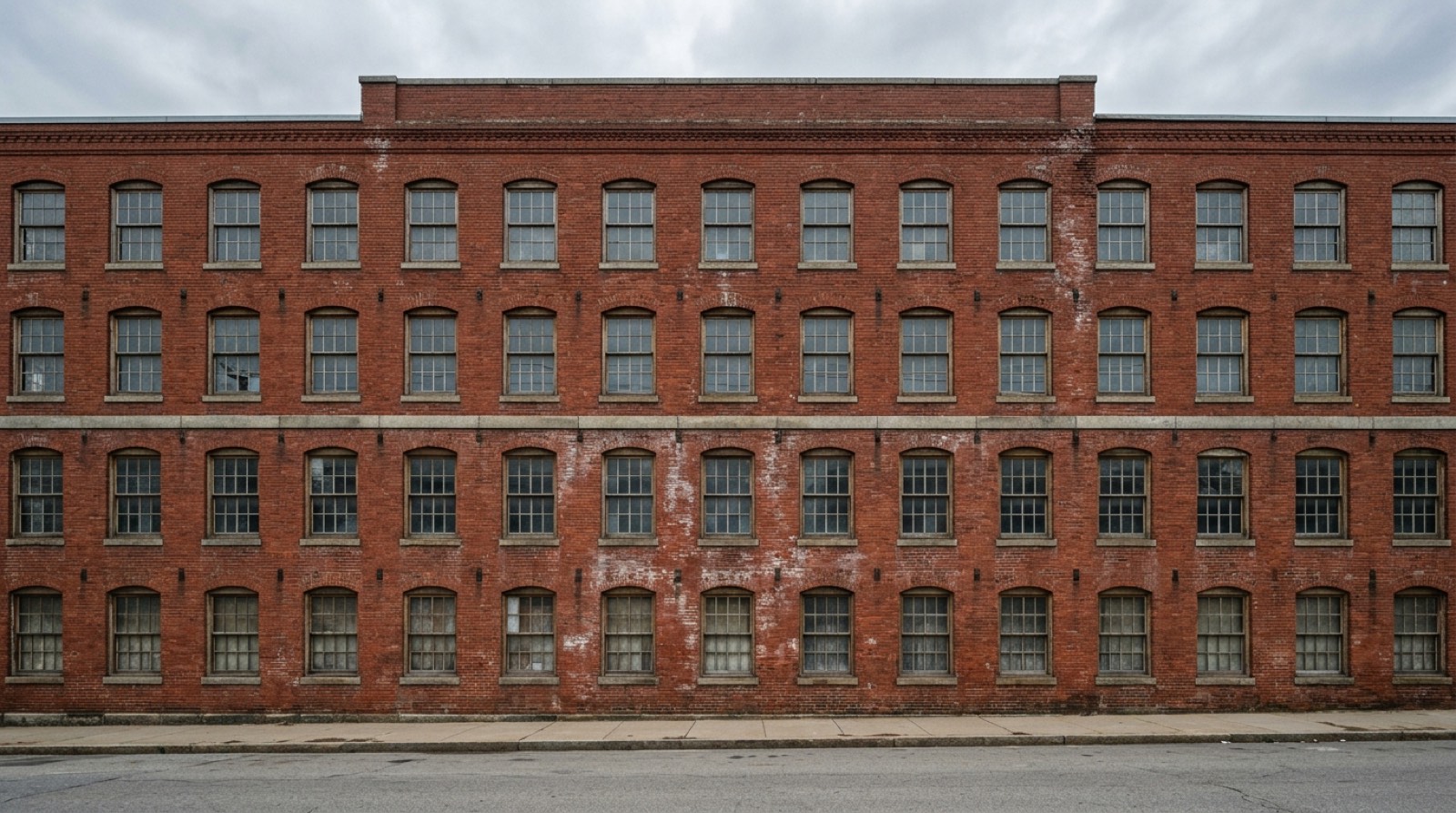
- Step 2 of 5, new work in the old shellA Mill Full of StudiosThe building has not changed and everything inside it has. This is the commonest step in this state by a wide margin and the one most people walk past without reading.
- Step 3 of 5, pieces kept inside something newA Front Wall With Nothing Behind ItOne wall of the old building, propped through the works and built into the new one. The most visible kind of fragment and the one that starts the most arguments.
- Step 3 of 5, pieces kept inside something newIron Columns Inside a New LobbyThe building went. Eleven columns did not. What is left is a real piece of one building standing inside another, which is the whole of step three and the step people find hardest to read.
- Step 4 of 5, the shape left in the groundA Curb Line That Remembers a TrackThe rails came up, the sidewalk stayed where it was, and the curve is still in the granite. A trace with no building at all, which is why it is the strangest entry in this paper.
- Step 4 of 5, the shape left in the groundA Lot With a Foundation Still In ItNothing stands. The building is still legible in a low wall, a step to nowhere and a scar on the neighbor, and that is more information than most standing buildings give up.
- Step 5 of 5, nothing left but the nameA Corner Named for a Building That WentThe last step. No fabric of any kind, and a name that everybody still uses for a corner where the thing it names has not stood within living memory for most people using it.
- Step 5 of 5, nothing left but the nameA Street Named for What Was Made On ItA street name describing an industry, on a street where that industry stopped four generations ago. The evidence is a word, and the word is accurate.
Why steps and not neighborhoods
A guide sorted by neighborhood answers where to go. It does not answer the question that actually makes a building interesting, which is how much of it is still telling the truth about itself.
A firehouse still running engines and a corner that keeps a name for a building nobody alive has seen are the same subject at two ends of one process. Sorted by place they would sit pages apart. Sorted by survival they sit at step one and step five of the same list, which is the arrangement this paper exists to make.
What this paper does before it writes anything
- Goes and stands there, on an ordinary day, at the hour it will recommend, and goes back at a different hour.
- Reads the openings before anything else. How to read a front is the whole method and it takes five minutes to learn.
- Says where it stopped. Every front here was read from ground a visitor can legally stand on, and the page says which ground.
- Names nothing. Not a business, not an address, not a building. Every entry describes a kind of front rather than a specific one.
Why nothing is named
Two reasons, and the second is the real one.
A named building changes hands and changes use, so a paper that named them would be wrong within a couple of years. And this paper has no standing to publish a claim about somebody's property, their history or their intentions. Describing a type costs a reader nothing: the method transfers, and where the records are shows how to identify any specific building for free in an afternoon.
Not here
No prices. This paper publishes no figures of its own anywhere. The one place numbers appear is the fare search above, and those belong to the service that produces them.
No reviews, no ratings, no awards. None has ever arrived, and so no part of the page is set aside for them.
No sponsored writing. Nothing in the ten was paid for, suggested, or seen in advance by anybody with an interest in the building it describes.
Where to start
How to read a front if the idea is new. What survives if you want all ten in one column. Five things people get wrong if you already look at buildings and would like to argue.